Ancient Kingdom of Shu
Introduction
The Ancient Kingdom of Shu, a significant yet mysterious civilization, thrived in the region of present-day Sichuan province, China. This civilization left behind enigmatic artifacts and ruins, notably at the Sanxingdui archaeological site, which have intrigued archaeologists and historians for decades. The kingdom is believed to have existed from approximately 4,800 to 2,600 years ago and represents a distinct Bronze Age culture with unique artistic and cultural traits.
Discovery and Archaeological Significance
Sanxingdui, located in Guanghan City, Sichuan province, was the capital of the ancient Shu Kingdom. The site covers an area of 120,000 square meters and was first discovered in 1929 when a local farmer unearthed jade relics. However, it wasn't until 1986 that the site's archaeological significance was fully realized with the discovery of numerous bronze, jade, and gold artifacts from two major sacrificial pits.
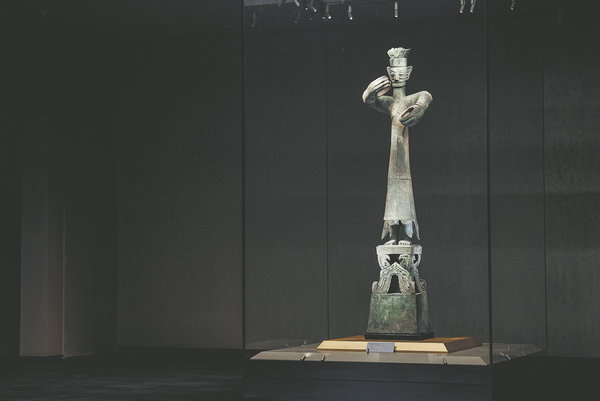
These discoveries positioned Sanxingdui as one of the world's most important ancient sites due to its size, age, and cultural content. The artifacts, including colossal bronze masks and figures, intricate jade pieces, and gold ornaments, showcase the advanced metallurgical and artistic skills of the Shu people and provide insight into a civilization that predated and interacted with the contemporaneous Shang Dynasty.
Sanxingdui Museum
The Sanxingdui Museum, established in 1992 and opened to the public in 1997, serves as the primary repository for artifacts excavated from the Sanxingdui site. Located at the Sanxingdui Ruin Site in Guanghan, the museum integrates collection, preservation, academic research, and social education. It exhibits approximately 1,200 artifacts, providing visitors with a comprehensive understanding of the Shu Kingdom's Bronze Age civilization.
The museum's extensive collection includes the largest bronze tree relic in China, standing at 3.95 meters, adorned with birds and fruits symbolizing sun worship. Another significant artifact is a 3.82-meter-long Jade Tablet depicting fish and birds, believed to convey auspicious meanings.
Theories and Excavations
Recent archaeological efforts between 2020 and 2022 have provided new insights into the site's formation and the nature of its pits. Eight sacrificial pits have been uncovered, revealing a highly stratified burial pattern. Artifacts such as pottery, jade, gold objects, and bronzes were carefully placed in these pits, sometimes alongside ivory tusks. The ritualistic "break, burn, and bury" practices observed in these pits suggest complex religious or ceremonial activities.
The exact purpose of these pits remains debated among scholars. Initial theories posited that they were sacrificial in nature, but discoveries at the Jinsha site, 40 kilometers south of Sanxingdui, have led to alternative hypotheses. Some scholars suggest the pits were used to bury ceremonial artifacts before the Shu people relocated to Jinsha amidst declining fortunes.
Cultural and Religious Practices
The Shu Kingdom's cultural practices were deeply intertwined with shamanism and a belief system distinct from the ancestral worship prevalent along the Yellow River. The Sanxingdui artifacts, including bronze figures potentially representing shamans, indicate a society where spiritual intermediaries played significant roles.
The Sanxingdui culture is also characterized by a unique artistic style, evident in the large bronze masks and statues with exaggerated features. These artifacts suggest a society with rich ceremonial traditions and complex social hierarchies.
Legacy and Modern Interpretation
The ancient Shu Kingdom's legacy continues to captivate the public and researchers alike. Modern exhibitions, such as "Hello Sanxingdui," leverage digital technology to bring the ancient culture to a global audience, offering immersive experiences that blend artistic appeal with educational content.
Musical performances and creative productions inspired by Sanxingdui, like the musical "San Xing Dui," further explore the kingdom's cultural heritage, intertwining historical narratives with contemporary artistic interpretations. These endeavors aim to enhance the global reach of Sanxingdui culture, celebrating its artistic achievements and exploring the mysteries yet to be unraveled.








